UPDATE on visuals.
IPS, VA, PLS, AHVA & TN Monitors
LCD DISPLAYS MATTER
===========================================================================
IPS
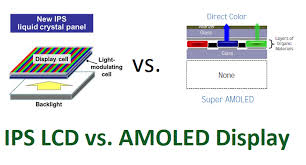
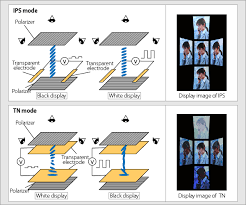
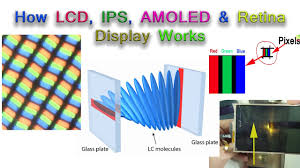
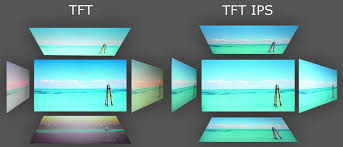
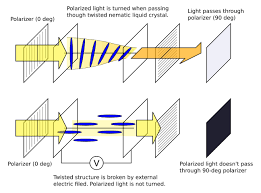
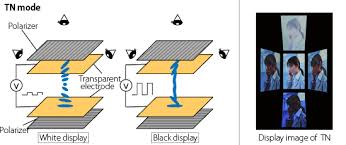
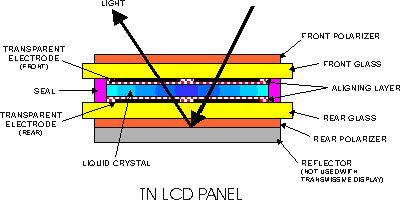
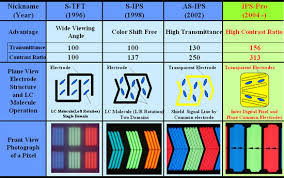
IPS (in-plane switching) is a screen technology for liquid-crystal displays (LCDs). It was designed to solve the main limitations of the twisted nematic field effect (TN) matrix LCDs which were prevalent in the late 1980s. These limitations included strong viewing angle dependence and low-quality color reproduction.




============================================================================
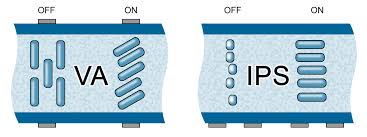
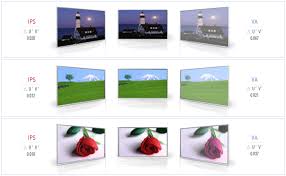
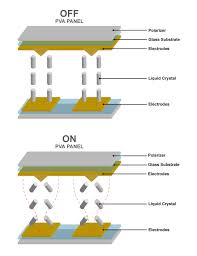
VA has more advantages over TN panels than IPS, with better color reproduction, higher maximum brightness, and better viewing angles. VA panels do have the bestcontrast ratios of all panel types mentioned, but they also have the worst response times of the monitor technologies covered here.
VA panels do have the bestcontrast ratios of all panel types mentioned, but they also have the worst response times of the monitor technologies covered here.



=============================================================





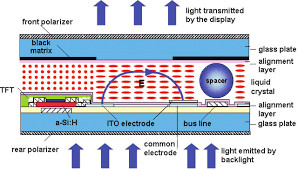
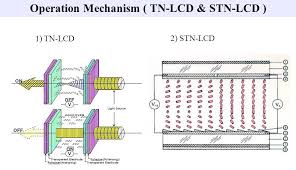

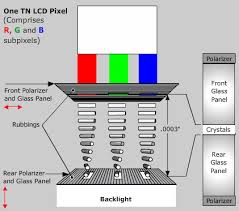
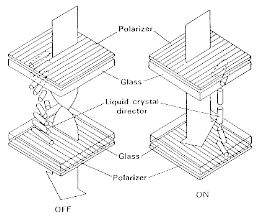


heres what i got. please compare notes


LCD DISPLAYS MATTER
===========================================================================
IPS
IPS (in-plane switching) is a screen technology for liquid-crystal displays (LCDs). It was designed to solve the main limitations of the twisted nematic field effect (TN) matrix LCDs which were prevalent in the late 1980s. These limitations included strong viewing angle dependence and low-quality color reproduction.
============================================================================
VA has more advantages over TN panels than IPS, with better color reproduction, higher maximum brightness, and better viewing angles. VA panels do have the bestcontrast ratios of all panel types mentioned, but they also have the worst response times of the monitor technologies covered here.
VA panels do have the bestcontrast ratios of all panel types mentioned, but they also have the worst response times of the monitor technologies covered here.
=============================================================
The PLS panel is a panel developed and manufactured by Samsung’s as proprietary display design technology. Its performance is very close to that of IPS. The production cost is reduced by about 15% compared with IPS, so it is quite competitive in the market. Its advantages and disadvantages are similar to IPS, the only advantage is that it is lower cost than IPS.
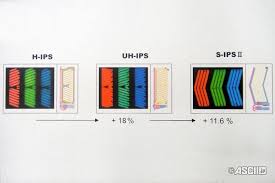
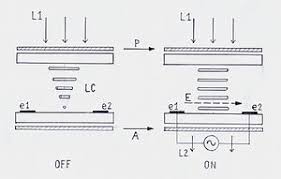
The full name of the PLS panel is called Plane to Line Switching. The driving method is that all the electrodes are located on the same plane, and the liquid crystal molecules are driven by vertical and horizontal electric fields. We can see the difference between the PLS panel in the drive mode and the VA class (including MVA and Samsung’s own PVA) and the IPS panel.
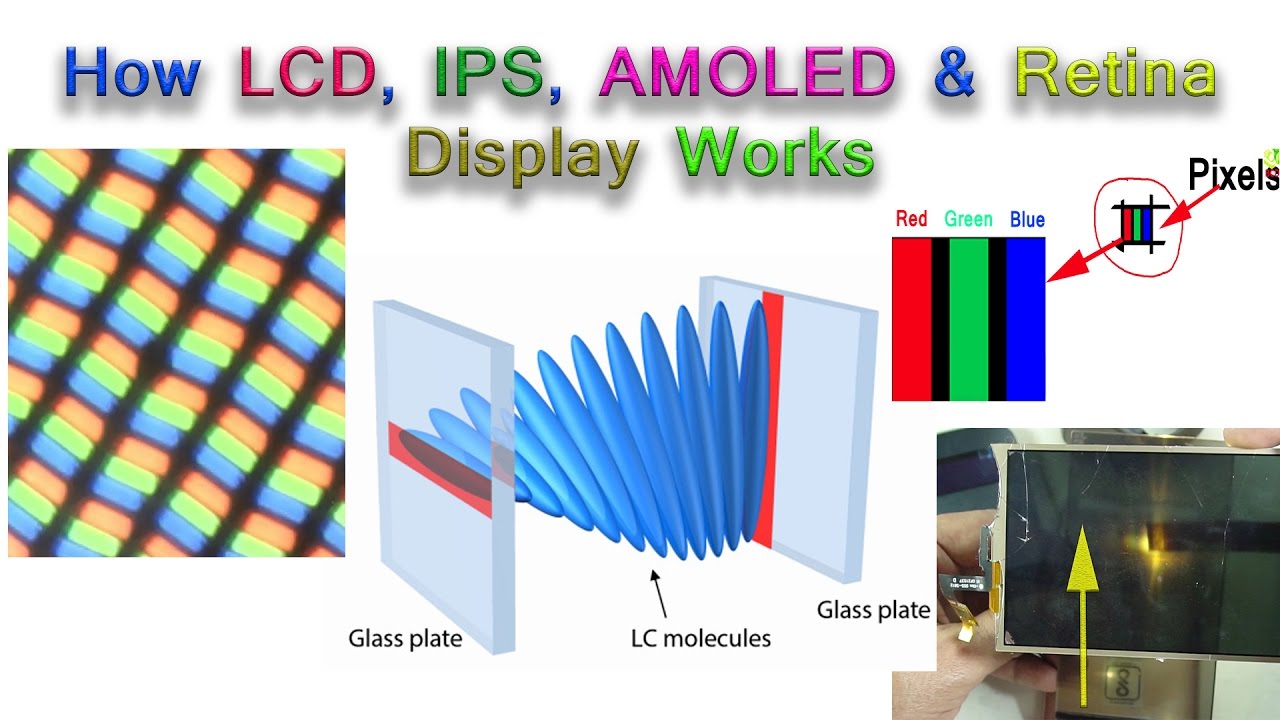
According to the TFT technology classification, it can be classified into high-temperature polysilicon (HTPS), low-temperature polysilicon (LTPS), amorphous silicon (a-Si), and IGZO. The other part can be classified into TN, IPS, VA, PLS, etc. according to the liquid crystal arrangement or imaging technology. It looks a bit messy, but it’s actually easier to judge.
The IPS panel is also known as the hard screen. It has a high viewing angle, fast response, good colour reproduction and moderate price. The shortcoming is that there is light leakage. The PLS is Samsung’s panel based on IPS standards, which is at the same level as IPS with a slightly better approach.
Using the PLS panel that Samsung uses to combat IPS, the feature is a wide viewing angle. The figure below shows that the panel performs well in terms of viewing angle in the left and right directions, with viewing angles of up to 178 degrees. The colour gamut also reached 72% NTSC, remember that I have said that the quality of 72% NTSC in the notebook screen is good. The display colour reaches 16.7M (8-bit) which provides a better colour display than a normal 6-bit screen.
=========================================================================
AHVA allows for the mirror sequencing to link via curvature through iris data sensors for the augmented reality. the pulsation from the crystalisation sync allow for the iris system to bend in fractals which allows for lcd connection through atmos. 

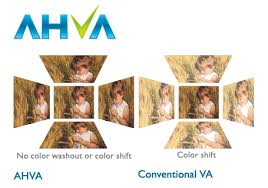


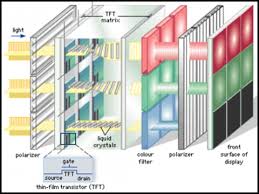
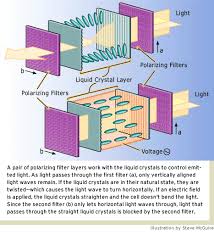


AHVA is also more commonly found in 3d systems.
=========================================================================
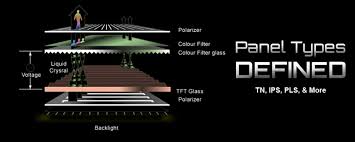
A thin-film-transistor liquid-crystal display (TFT LCD) is a variant of a liquid-crystal display (LCD) that uses thin-film-transistor (TFT) technology to improve image qualities such as addressability and contrast. A TFT LCD is an active matrix LCD, in contrast to passive matrix LCDs or simple, direct-driven LCDs with a few segments.
TFT LCDs are used in appliances including television sets, computer monitors, mobile phones, handheld devices, video game systems, personal digital assistants, navigation systems, projectors,[1] and carinstrument clusters.
=======================================================================
VA and AHVA are our problems. Which allow us to have the multi qauntumn relay in full display through reticle oscillations with the augmented system.
VA is where they keep claiming hallucinations are coming from. More commonly seen through peripheral. The AHVA allows for the Particle system fusion to be able to see the display sensor in particl format but its still katana length. With a zoom in and out function. So it auto focuses.
VA is where they keep claiming hallucinations are coming from. More commonly seen through peripheral. The AHVA allows for the Particle system fusion to be able to see the display sensor in particl format but its still katana length. With a zoom in and out function. So it auto focuses.
heres what i got. please compare notes

Comments
Post a Comment